
Motorcycle theft is one of the most common vehicle crimes in Australia, and when a recovered bike cannot be ridden, knowing your next step is critical.
Whether your ignition has been tampered with, your bike has been dumped after theft, or you are locked out after losing your keys, you will likely need a professional motorcycle towing service to get your bike safely moved before any repair or locksmith work can begin. This guide covers everything from preventing theft in the first place to recovering your bike quickly and securely when things go wrong.
How Common Is Motorcycle Theft in Australia?
Motorcycles are attractive to thieves because they are lighter, easier to move, and often less protected than cars. Unlike a locked car parked in a driveway, a motorcycle can sometimes be lifted, rolled, or pushed into a van within minutes if it is not properly secured.
Australian motorcycle theft has remained a serious issue for years. QBE has previously reported that around 9,000 motorcycles are stolen across Australia each year, with motorcycle theft representing roughly one in six stolen vehicles according to National Motor Vehicle Theft Reduction Council information. More recent national crime data from the Australian Bureau of Statistics also shows motor vehicle theft recorded by police rose in 2024, which reinforces why vehicle security should not be treated casually.
For motorcycle owners, the message is simple. Do not rely on steering locks alone. A layered security approach is the best way to reduce risk.
The Best Locks and Security Systems for Motorcycles
Good motorcycle security starts with making the bike harder, slower, and noisier to steal. Thieves usually prefer quick targets. If your motorcycle has multiple visible security layers, they may move on.
A quality disc lock is one of the easiest upgrades. Choose one with a reminder cable so you do not accidentally ride away with it fitted. Alarmed disc locks add noise, which can help draw attention if the bike is moved.
A heavy chain and ground anchor are useful for home parking. The chain should pass through the frame or a solid part of the bike, not just a wheel that can be removed. At home, secure the bike inside a locked garage, behind a gate, or in a well-lit area whenever possible.
GPS trackers are also worth considering, especially for high-value bikes, work commuters, and motorcycles kept in shared parking areas. A tracker does not stop theft by itself, but it can improve the chance of locating the bike quickly.
For locksmith-related protection, consider ignition condition, key control, lock quality, garage access, gate locks, and storage security. Internal links on coastallocksmiths.com.au could point to relevant pages such as vehicle locksmith services and automotive key replacement.
What to Do Immediately After Your Bike Is Stolen
If your motorcycle is stolen, act quickly and keep records. The first step is to confirm it has not been moved, towed by authorities, borrowed by someone with access, or parked in a different spot.
Once theft is confirmed, report it to the police immediately. Provide the registration number, VIN, make, model, colour, distinguishing marks, aftermarket parts, photos, and the location and time it was last seen. If you have CCTV, garage camera footage, GPS data, or witness details, include them.
Next, contact your insurance provider. They will usually ask for the police report number and details of the motorcycle. Be honest and thorough about where the bike was stored, what security devices were used, and what accessories were fitted.
If keys were stolen from your home, workplace, gym bag, or vehicle, contact a locksmith quickly. The issue may not be limited to the motorcycle. Your garage, gates, house, car, storage unit, or business premises may also need lock changes or key control advice.
Do not confront suspected thieves yourself. Provide information to the police and focus on securing your property.
My Bike Was Recovered. Now What?
A recovered motorcycle should be treated as compromised until it has been inspected. Even if it looks rideable, theft damage is not always obvious at first glance.
Start by contacting the police and your insurer to confirm the recovery process. Depending on where the bike is found, it may be held at a police facility, impound yard, towing depot, private property, or roadside location. Ask what paperwork is needed before collection.
Before riding it, check for ignition damage, cut wires, broken locks, damaged steering, missing keys, bent handlebars, cracked fairings, damaged wheels, missing parts, leaking fluids, or signs that the bike has been crashed. Thieves may have forced the ignition, broken the steering lock, damaged the fuel cap, removed accessories, or attempted to hotwire the bike.
If there is any sign of tampering, arrange transport instead of riding it. A stolen motorcycle recovery in Australia often involves hidden electrical or steering damage, and riding too soon can create further risk.
Have the bike taken to a trusted mechanic, dealership, insurance assessor, or locksmith, depending on the damage. Keep photos and written records of everything.
Ignition Tampering: Why You Should Never Ride a Compromised Bike
Ignition tampering is one of the most common issues after motorcycle theft. A thief may force a screwdriver into the barrel, break the steering lock, cut wiring, damage the immobiliser, or bypass the ignition system.
Even if the bike starts, that does not mean it is safe. A damaged ignition barrel may fail while riding. Compromised wiring can cause intermittent power loss. A broken steering lock mechanism may interfere with steering. Damaged immobiliser systems can leave the bike unreliable or vulnerable to repeat theft.
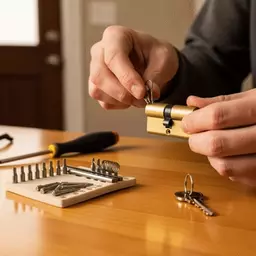
This is where a motorcycle ignition locksmith becomes important. A locksmith can inspect the ignition barrel, keyway, steering lock, seat lock, fuel cap, pannier locks, and key system. In some cases, the lock can be repaired or rekeyed. In others, a full motorcycle lock replacement may be required.
Never force a damaged key into a tampered ignition. Do not spray random lubricants into the lock or try to “fix” broken pins yourself. That can make professional repair harder and more expensive.
If the bike has been recovered after theft, tow it first, inspect it second, and ride it only after it has been cleared.
How a Locksmith and Towing Service Work Together
After a theft or attempted theft, towing and locksmith services often work together. The towing operator moves the motorcycle safely from the recovery location, while the locksmith helps restore secure access and key function.
For example, if your bike is found dumped with a damaged ignition, the tow operator can move it to your home, workshop, or dealership. A locksmith can then assess whether the ignition needs repair, replacement, or rekeying. If your keys were stolen, the locksmith may also recommend changing related locks so the thief cannot return later.
If you are locked out after losing your motorcycle keys, the process may depend on the bike. Some motorcycles can be opened or rekeyed by an automotive locksmith. Others may need dealership support, immobiliser programming, or replacement parts.
The key is coordination. Tell the towing provider if the steering is locked, the wheels do not roll, the ignition is damaged, or the bike cannot be moved normally. Tell the locksmith whether the bike was stolen, recovered, crashed, or simply locked with lost keys.
A clear handover saves time and reduces the chance of further damage.
Choosing the Right Security Upgrades After a Theft Incident
After a theft incident, do not simply repair the damage and go back to the same routine. Use the experience as a chance to improve your security setup.
Start with the storage location. If the bike was stolen from home, review garage locks, gate locks, lighting, CCTV, alarm systems, and access habits. If it was stolen from an apartment car park, ask the building manager about camera coverage, visitor access, lighting, and secure anchor points.
For the motorcycle itself, consider an alarmed disc lock, heavy chain, ground anchor, GPS tracker, immobiliser upgrade, lock replacement, and key control. If a thief had access to your keys, rekeying may be just as important as repairing visible damage.
Business owners with staff motorcycles, delivery bikes, or customer parking should also review site security. Better lighting, cameras, secure gates, and clear parking zones can reduce risk.
A locksmith can provide a security assessment that looks beyond the bike and considers the full property.
Protect Your Bike Before It Becomes a Statistic
Motorcycle theft can happen quickly, but good preparation makes a real difference. Use layered security, protect your keys, strengthen your garage or parking area, and act quickly if your bike is stolen.
If your motorcycle is recovered, do not assume it is safe to ride. Ignition damage, broken locks, wiring faults, steering issues, and hidden crash damage can all create risk. Arrange professional towing, then have the bike inspected by the right repairer or locksmith.
For peace of mind, book a security assessment, upgrade weak locks, and store a reliable motorcycle towing number alongside your roadside emergency contacts. That way, if something goes wrong, you already know who to call and what to do next.